Cosmetic or Drug? Where a Foot Clay Legally Sits — and Why It Matters to You
Quick Answer: What Separates a Cosmetic From a Drug?
The intended use, expressed through the claim. Under US law a cosmetic is a product applied to the body for cleansing, beautifying or altering appearance. A drug is a product intended to diagnose, cure, mitigate, treat or prevent disease, or to affect the structure or function of the body. The same jar of clay is a cosmetic if it is sold for softer-looking skin and an unapproved drug the moment it is sold as antifungal — the formula does not change, the claim does.
- Cosmetic claim: cleaner appearance, softer feel, reduced odour.
- Drug claim: treats, cures, prevents or mitigates a condition.
- Practical upshot: a treatment claim on a cosmetic means nobody has verified it works.
The rule, in one sentence
The Federal Food, Drug, and Cosmetic Act defines cosmetics by what they are for — cleansing, beautifying, promoting attractiveness, altering appearance — and drugs by what they are intended to do, which includes diagnosing, curing, mitigating, treating or preventing disease. Intended use is established by the claims a company makes: the label, the website, the ad copy, even consumer perception the company has cultivated.
A product can be both. Anti-dandruff shampoo is the classic example — it cleans hair (cosmetic) and treats a scalp condition (drug), so it is regulated as both and carries a Drug Facts panel alongside its cosmetic ingredient list. That panel is the visible tell.
Why this is not a technicality
It is tempting to file this under regulatory pedantry. It is not, for a reason that matters to a buyer. If a product genuinely treated a fungal infection it would have gone through a process establishing that it works and is safe for that purpose, and it would carry an active ingredient statement and a Drug Facts panel. Over-the-counter antifungals do exactly this: they name tolnaftate, clotrimazole, terbinafine or miconazole at a stated percentage.
A product making the same claim without that panel has not been through that process. The claim is doing the persuading and nothing is standing behind it. So the sentence “antifungal mineral clay” on a marketing page is not evidence that the product works — it is evidence that a claim has been made that the product's regulatory category does not support.
How to tell what you are actually holding
| What you see | What it means |
|---|---|
| Drug Facts panel with a named active and a percentage | An OTC drug; the claim is backed by a monograph |
| Ingredient list only, appearance claims only | A cosmetic, correctly labelled |
| Ingredient list only, but treatment claims in the marketing | A cosmetic making a drug claim |
| “Clinically researched” with no study cited | A phrase, not a citation — ask which study |
What a foot cosmetic can honestly offer
Quite a lot, actually, provided the claims stay in the right lane. Absorbing surface moisture, softening hard skin, reducing odour, improving the look of nails and heels, and feeling pleasant are all real cosmetic outcomes that a well-made clay-and-emollient product can deliver. Those are worth paying for.
What it cannot do is clear an infection under a nail. Onychomycosis lives in the nail plate and the nail bed beneath it, which is why even prescription topicals struggle and why oral treatment is often required. No cosmetic applied to the surface reaches it.
The practical advice
If you have thickened, discoloured or crumbling nails, get a diagnosis before you buy anything. Only about half of nail problems that look fungal actually are — psoriasis, trauma, lichen planus and bacterial infection all mimic it — and treating the wrong thing for six months is the most common way this goes wrong. A clinician can confirm with a simple sample.
Then, if you want a pleasant clay for daily foot care, buy one for what it is. That is a perfectly good reason to buy something, and it does not require anyone to overstate it.
Medical note: persistent nail discolouration or thickening deserves a diagnosis rather than a guess. Around half of nails that look fungal are not, and treating the wrong condition wastes months.
Scientific references
Frequently asked questions
What is the difference between a cosmetic and a drug?
Intended use, expressed through claims. A cosmetic cleanses, beautifies or alters appearance. A drug is intended to diagnose, cure, mitigate, treat or prevent disease, or to affect the structure or function of the body. The same formula can be either, depending on what is claimed for it.
Can a cosmetic be called antifungal?
Claiming a product treats a fungal infection is a drug claim. A product making that claim without an approved active ingredient and a Drug Facts panel has not been through the process that would establish it works.
How do I know if a foot product is an OTC drug?
Look for a Drug Facts panel naming an active ingredient at a stated percentage — tolnaftate, clotrimazole, terbinafine or miconazole are the common antifungal actives. If there is only a cosmetic ingredient list, it is a cosmetic.
Are all discoloured nails fungal?
No. Roughly half of nails that look fungal turn out to be something else — psoriasis, trauma, lichen planus or bacterial infection. That is why a clinician's sample matters before starting any long treatment.
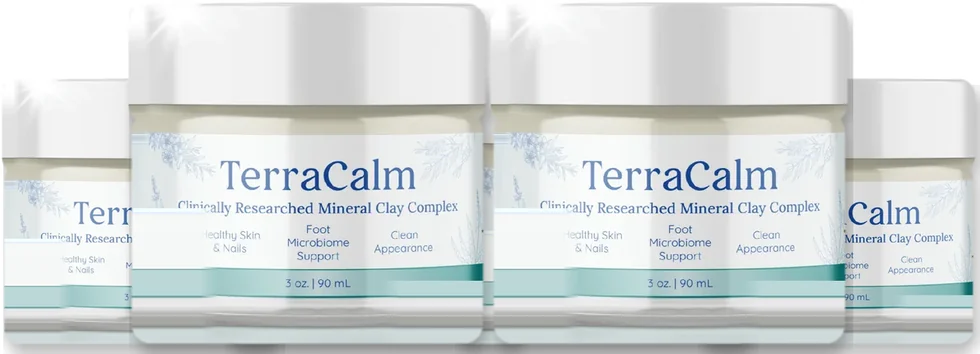
See what TerraCalm actually is
A topical mineral clay with sixteen listed ingredients — reviewed as the cosmetic it is, not the treatment its marketing implies.
Read the TerraCalm Review