How to Get Rid of Toenail Fungus Fast (and What "Fast" Honestly Means)
Quick Answer: How Do You Get Rid of Toenail Fungus Fast?
To get rid of toenail fungus as fast as possible, confirm the diagnosis, start an evidence-based treatment early, and apply it consistently twice a day while keeping the nail trimmed and thinned so the treatment can reach the infection. Advanced cases clear fastest with an oral prescription antifungal — but the new nail still grows out over months.
- Start early: a small, new infection clears far sooner than an old, thick one.
- Be consistent: twice-daily application, without gaps, drives results.
- Control the environment: dry feet, clean shoes and both feet treated stop reinfection.
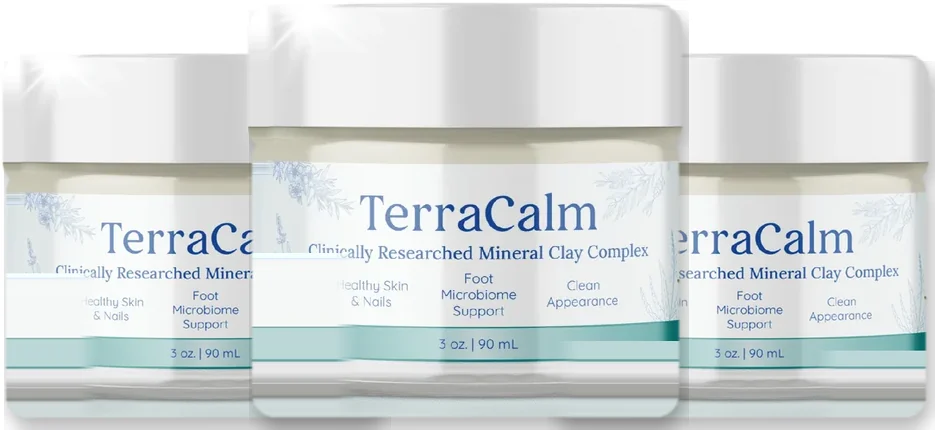
The honest truth about "fast" and how to get rid of toenail fungus
If you are searching for how to get rid of toenail fungus fast, the most useful thing anyone can tell you first is what "fast" can and cannot mean. A toenail grows only about one to one and a half millimetres a month, and a whole nail takes the better part of a year to replace. So even when treatment works perfectly, the visible nail keeps looking damaged for months while the old plate grows out. No product, prescription or otherwise, changes that clock. Anyone promising a clear nail in days or weeks is selling against biology.
What you can genuinely speed up is the part before the clock: how quickly you stop the infection growing, how small it is when you start, and how consistently you keep at it. "Fast" is really shorthand for "early plus consistent". Catch it small, treat it every day without gaps, and control the environment so it cannot spread or come straight back, and you will reach a clear nail in the shortest time the biology allows. The steps below are ordered to do exactly that.
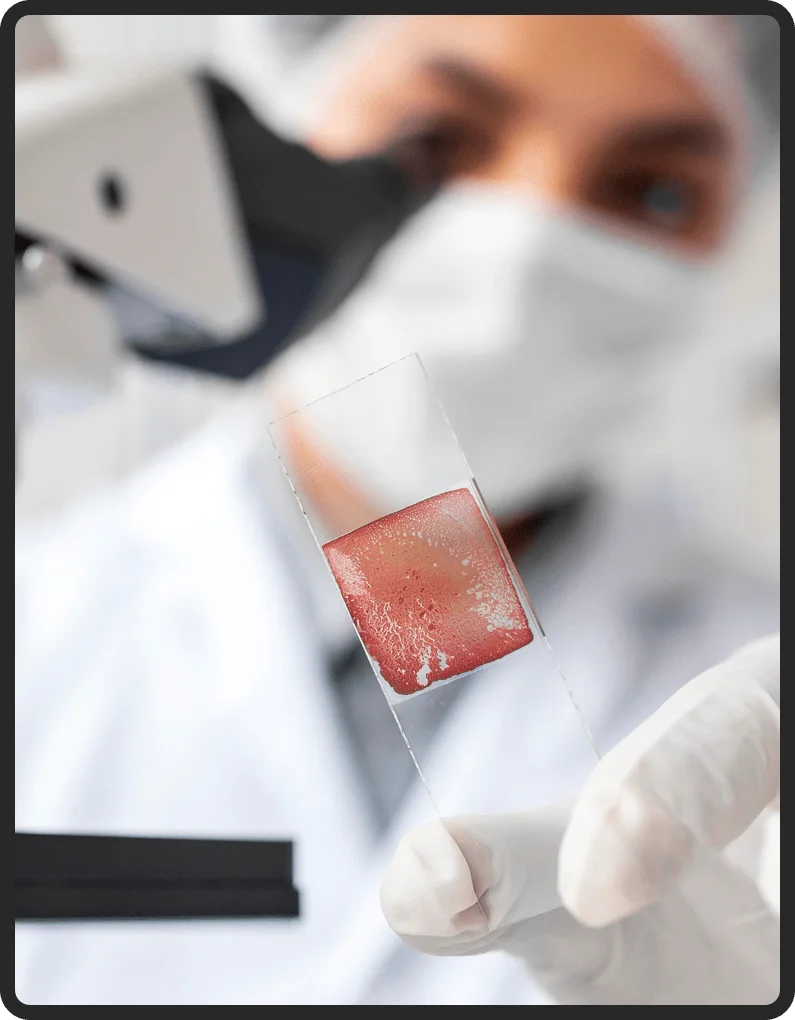
Step 1: Confirm it is actually fungus
The fastest treatment is worthless if you are treating the wrong thing, and roughly half of abnormal-looking nails turn out not to be fungal. Psoriasis, repeated trauma from tight shoes, lichen planus and other conditions all mimic the look. A clinician can confirm with a nail clipping and a simple laboratory test, and that single step often changes the answer entirely. If you want help telling the difference, our guide to toenail fungus signs, symptoms and stages walks through what to look for — but a lab test is what settles it.
Step 2: Prep the nail so treatment can actually reach it
Fungus lives in and under the nail plate, and a thick, overgrown nail is a wall between any topical and the infection. Prepping the nail is one of the most underrated accelerators there is. Keep the nail trimmed short and straight across. File down the thickened surface with a dedicated file to reduce the barrier the treatment has to cross. Clear away crumbly debris under the free edge. Do this before every application, and use tools you keep only for the infected foot so you do not seed the infection elsewhere. A thinner, shorter nail is simply easier for any product to penetrate.
Step 3: Choose a treatment and apply it consistently
Now match the treatment to the severity. For an advanced or long-standing infection, an oral prescription antifungal such as terbinafine is the fastest evidence-based route, because it reaches the fungus from the inside as the nail grows. For milder or early cases, a prescription or over-the-counter topical can work, but only with real patience: topical-only treatment can take up to 48 weeks. We compare the two routes in detail in our roundup of the best toenail fungus treatments in 2026, which is the place to decide what fits your situation.
Whatever you choose, consistency is the variable that actually decides the outcome. Twice-daily application, every single day, without the week-long gaps that quietly reset your progress, is what drives results. Fungus is patient; the person treating it usually is not, and that mismatch is why so many effective treatments get abandoned. Anchor the routine to habits you never skip — morning shower, bedtime — so it happens on autopilot.
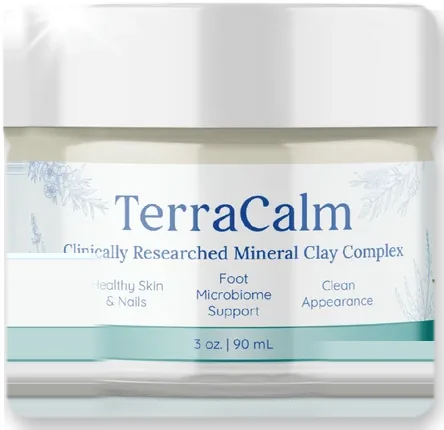
Build the daily habit around care you enjoy
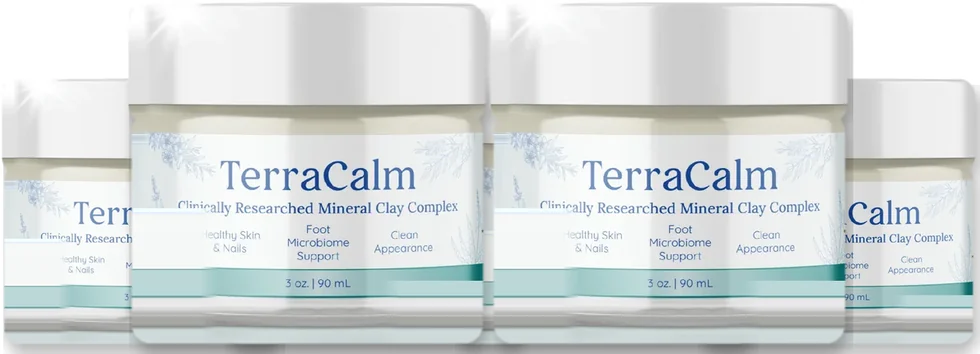
Consistency is easier when the routine feels good. TerraCalm is a cooling mineral foot clay for drier, softer, better-smelling feet — a cosmetic that makes the twice-daily habit something you actually keep. Sold on the manufacturer's store with a 60-day money-back guarantee.
See the Official TerraCalm OfferStep 4: Attack the environment, not just the nail
You can treat a nail perfectly and still lose, because the fungus is not only on your foot — it is in your shoes, your socks and your bathroom floor. Fungi thrive in warm, damp, dark places, so the environment is half the battle. Dry your feet thoroughly after every wash, especially between the toes, because trapped moisture is what feeds the whole problem. Rotate your shoes so each pair fully dries out between wears, and disinfect them with an antifungal spray or powder, or replace old pairs that have been worn throughout the infection. Wash socks hot and choose moisture-wicking materials over cotton that stays wet. These unglamorous habits genuinely shorten the timeline by denying the fungus the conditions it needs to regroup.
Step 5: Treat both feet and stop reinfection
Two rules here save people from starting over. First, treat both feet even if only one looks affected, and treat the surrounding skin, not just the nail — athlete's foot on the skin is the same organism and it will happily reinfect a nail you just cleared. Second, never share nail clippers, files or towels, and disinfect your tools between uses. Recurrence after successful treatment is common precisely because people declare victory, drop the habits, and reintroduce the fungus from a shoe or a clipper. The prevention routine is not a footnote to the treatment; it is what makes the treatment stick.
Where a mineral foot clay fits in a daily routine
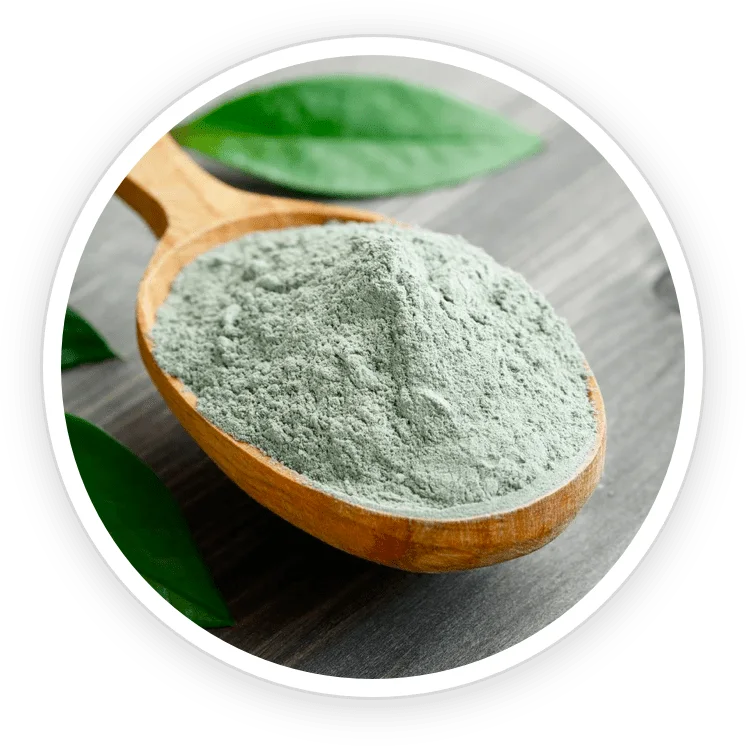
A cosmetic like TerraCalm is not a treatment, and it will not clear an infection — that has to be said plainly. What a mineral foot clay can do is make the daily grooming half of this routine something you look forward to and therefore actually keep up. It absorbs surface moisture, softens the rough skin and calluses around the nail, and leaves feet cooler and better-smelling. Because "fast" really comes down to consistency, a step that makes you want to tend to your feet every day has genuine practical value, as long as you keep it in its lane. If you want to get the most from it, our guide on how to apply nail clay for the best results covers technique and timing.
Myths about getting rid of toenail fungus fast
"A home remedy will clear it in a week." No home remedy, and no medicine, clears a fungal nail in a week, because the clear nail has to grow. Vinegar soaks, essential oils and the rest may help at the margins for mild cases, but the timeline is set by nail growth, not by the strength of the remedy.
"If I stop early once it looks better, I'm done." Stopping when the nail looks better is the classic relapse. The visible improvement is new nail; the fungus can still be present at the base. Finish the full course your treatment or clinician specifies, then keep the prevention habits going.
"It'll go away on its own if I ignore it." It will not. Left alone, a fungal nail tends to thicken, spread to other nails and infect the skin. Waiting is the single most expensive decision in terms of time, because the bigger the infection, the longer the eventual treatment.
The nail sets the pace and the nail is slow. Everything genuinely within your control — starting early, treating daily, and drying and disinfecting the environment — is about reaching a clear nail in the shortest time biology allows, not beating the clock.
What "fast" cannot mean
To close the loop honestly: no routine restores a nail that has already been destroyed. The damaged plate has to grow out and be replaced, and if the matrix at the base was permanently scarred, the new nail may never look exactly as it did. Fast is about the fungus and the habits, not about the calendar of nail growth. And if you have diabetes, poor circulation, reduced sensation in your feet or a suppressed immune system, do not treat this as a race to run alone — foot problems in those situations are a clinical matter, and a professional should lead.
Medical note: if you have diabetes, peripheral neuropathy, poor circulation, a suppressed immune system, or any break in the skin of your feet, foot problems are a clinical matter and not a shopping decision. See a clinician before applying or swallowing anything new.
Frequently asked questions
How can I get rid of toenail fungus quickly?
The quickest realistic route is to confirm the diagnosis, then start an evidence-based treatment early and apply it consistently twice a day, while thinning and trimming the nail so the treatment can reach the infection. For advanced cases an oral prescription antifungal is the fastest option. Even so, a new clear nail must grow out over months.
What kills toenail fungus fast?
Oral prescription antifungals such as terbinafine act fastest because they reach the fungus from the inside as the nail grows. Prescription and over-the-counter topicals work more slowly and only on milder cases. No product changes how fast a nail grows, so even the fastest option cannot make a damaged nail look clear overnight.
Can toenail fungus go away on its own?
No. A fungal nail infection does not clear on its own and tends to spread to other nails and to the skin if left untreated. The sooner you confirm it and begin treatment, the smaller the infection and the shorter the overall timeline, which is the real meaning of getting rid of it fast.
How do I stop toenail fungus from coming back?
Keep feet dry, especially between the toes; disinfect or replace old shoes and wash socks hot; never share nail tools; treat both feet even if only one looks affected; and treat any athlete's foot on the skin at the same time. Recurrence is common, and these habits do more of the work than most people expect.
Scientific references
Keep the daily routine going
TerraCalm is a mineral clay for drier, softer, better-smelling feet — a cosmetic, sold on the manufacturer's own store with a 60-day money-back guarantee. Sixteen listed ingredients, and an honest account of which of them do what.
Check Availability on the Official Store