Toenail Fungus Signs, Symptoms and Stages: How to Read Your Nails
Quick Answer: What Are the Signs and Stages of Toenail Fungus?
The first toenail fungus signs are a small white or yellow-brown spot at the tip or side of the nail. As it progresses the nail discolours yellow, brown or black, thickens, turns brittle, and can lift away from the nail bed. It does not clear on its own, and the early stages respond best to care.
- Early: a white or yellow-brown spot at the edge or tip, usually painless.
- Advancing: discoloration spreads, with thickening, brittleness and nail lifting.
- Act early: it does not resolve on its own, and early stages respond best to care.
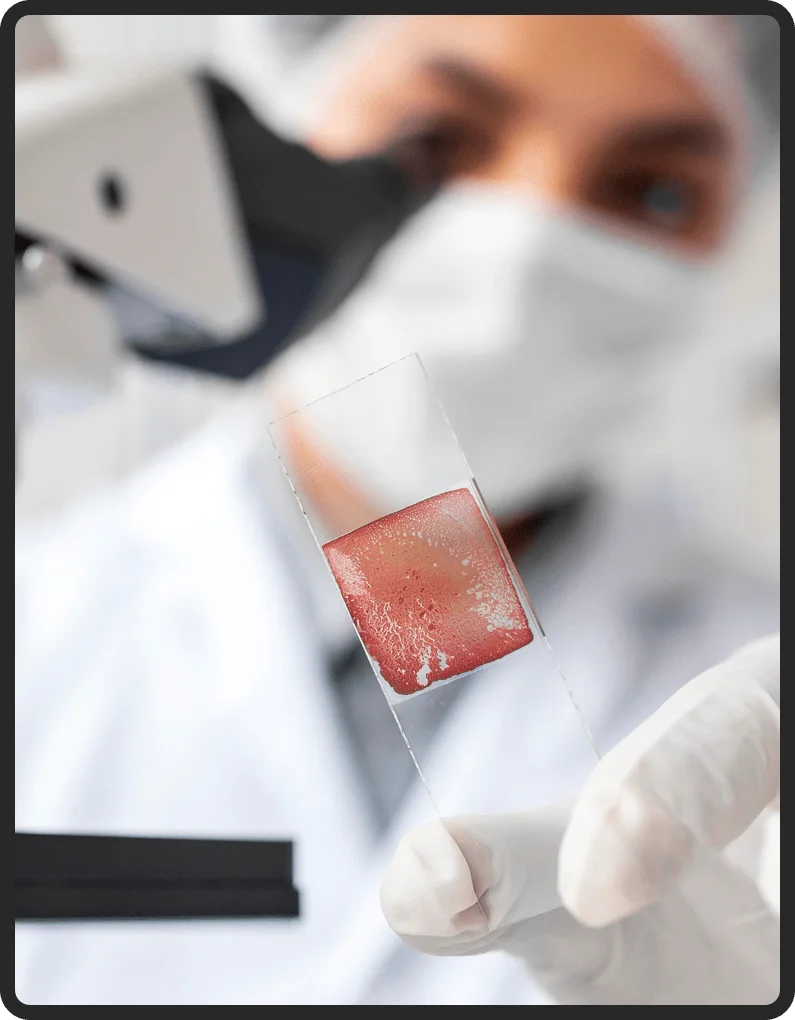
Catching a fungal nail early changes everything about how easy it is to manage, and yet the toenail fungus signs that matter most are the ones almost everyone ignores. The infection does not announce itself with pain or drama. It starts as a quiet cosmetic change — a small spot of the wrong colour — and by the time it looks obviously bad, it has usually been growing for months. Learning to read your nails at that early stage is genuinely useful, because early infection is where topical care has the best odds and where the whole thing is least entrenched.
This guide walks through the full arc: the subtle first signs, the stage-by-stage progression through discoloration, thickening and nail lifting, why the infection never simply clears on its own, and the equally important question of when a nail that looks fungal is actually something else. It ends where every honest version should — knowing when to stop self-managing and see a clinician.
The early toenail fungus signs most people miss
The classic first sign is small and unglamorous: a white, yellow or yellow-brown spot appearing under the tip or the side edge of the nail. It is often just a few millimetres across, painless, and easy to write off as a stain, a knock, or nothing at all. Sometimes the surface loses a little of its shine or develops a faintly rough patch. The nail is usually still its normal thickness and shape at this point, which is exactly why the sign gets dismissed.
This early stage is frequently a pattern clinicians call distal subungual involvement — the infection entering from the free edge of the nail and working backward toward the base. Because it enters at the far end, it can sit at the tip for a while before it looks serious. The practical takeaway is simple: a single new spot of off-colour at the edge of one toenail is worth taking seriously rather than ignoring, because acting while it is still a spot is far easier than acting once it has spread across the whole plate. If you want the realistic view of how long acting early actually takes to pay off, our toenail fungus timeline of what to expect lays out the month-by-month picture.
Stage by stage: how an infection progresses
Left unaddressed, a fungal nail tends to move through a recognisable sequence. Nobody hits every stage at the same speed, and the timeline varies enormously between people, but the direction of travel is consistent.
| Stage | What you see | How it feels | Why it matters |
|---|---|---|---|
| Early / spot | Small white or yellow-brown spot at the tip or side edge; slight dullness | No pain; often unnoticed | Best window for topical care and hygiene changes |
| Spreading discoloration | Yellow, brown or greenish colour spreading inward across more of the nail | Still usually painless | Confirms it is progressing, not a one-off stain |
| Thickening & debris | Nail thickens; crumbly debris builds up underneath | Pressure or discomfort in shoes | Thick nails are harder for any topical to penetrate |
| Brittle & distorted | Nail becomes brittle, ragged, misshapen; may turn brown-black | Snagging, occasional soreness | Advanced damage; the visible nail will not recover, only new growth |
| Lifting / separation | Nail plate lifts from the bed (onycholysis); may loosen at the edge | Tenderness; catching on socks | A gap that traps moisture and can invite secondary problems |
Two details in that table deserve emphasis. First, thickening is a turning point, because a thick nail is a physical barrier that makes any surface product work harder — another argument for acting while the nail is still thin. Second, once the nail is distorted or lifting, the damage you can see is permanent for that nail; improvement can only ever come from healthy new nail growing out behind it.

Why toenail fungus does not clear on its own
It is tempting to hope a discoloured nail will simply grow out and be fine. It generally will not. A fungal nail infection is a living organism established in and under the nail plate, in a warm, sheltered, keratin-rich environment that suits it perfectly. Without a change in that environment or an active agent working against it, the infection tends to persist and slowly spread — to more of the nail, and sometimes to neighbouring nails or the surrounding skin.
This is the single most important reason to read the early signs correctly. “Wait and see” is not a neutral choice; it is usually a choice to let the infection get more established and harder to manage. That does not mean panic — it means don't ignore it. If you are weighing what to actually do once you have spotted it, the practical overview in how to get rid of toenail fungus as quickly as realistically possible is the sensible next step.

Spotted the early signs? Start the daily habit that keeps feet in good order
Early is the best time to get serious about foot care. TerraCalm is a French green clay cosmetic for exactly the daily grooming side — drier skin between the toes, softened calluses, less odour — sold on the manufacturer's official store with a 60-day money-back guarantee.
See the Official TerraCalm OfferThree myths that delay action
Myth 1: “It's only cosmetic, so it can wait.” Early on it may look purely cosmetic, but the underlying process is an active infection that tends to spread. Waiting usually means a bigger, thicker, more entrenched problem later — the opposite of easier.
Myth 2: “A yellow, thick nail is just aging.” Nails do change with age, and aging alone can cause some thickening and dullness. But yellowing, brown discoloration and crumbly debris are also hallmark fungal signs, and assuming “just age” is how people miss an infection that is genuinely progressing. When in doubt, confirm rather than assume.
Myth 3: “If it doesn't hurt, it isn't serious.” Fungal nails are usually painless for a long time, which is precisely what lets them advance quietly. Pain is a late sign, not an early one, so waiting for discomfort as your cue means waiting until the infection is well established.
When it is not fungus at all
Here is the honest complication: a large share of abnormal-looking toenails are not fungal. Nail psoriasis produces pitting, discoloration and lifting that mimics fungus closely. Repeated pressure and micro-trauma from tight or ill-fitting footwear thicken and darken nails, especially in runners. Poor circulation, certain medications, and other nail conditions all produce fungus-like changes. A dark spot or streak that is new, changing, or under a single nail without an obvious cause should always be shown to a clinician, because a small number of serious conditions can present that way.
This matters practically, not just academically: choosing a treatment for the wrong problem costs you months either way. The only thing that settles the question definitively is a laboratory test — a nail clipping or scraping sent for microscopy and culture — and it is quick, cheap and worth it before committing to a long course of anything. If you are comparing your options after a diagnosis, our round-up of the best toenail fungus treatments in 2026 covers the medical and over-the-counter routes honestly.
When to see a doctor
Self-management has clear limits, and knowing them is part of doing this responsibly. See a healthcare professional if the nail becomes painful, if redness or apparent infection is spreading into the surrounding skin, if several nails become involved, or if there is simply no improvement after months of consistent care. Seek advice sooner — before self-treating at all — if you have diabetes, poor circulation, a weakened immune system, or reduced sensation in your feet, because in those situations a foot problem carries meaningfully higher risk and should be managed clinically from the start.
The whole value of learning the signs is timing. A fungal nail caught as a spot is a small, manageable thing; the same infection ignored for a year is thick, distorted and stubborn. Reading your nails is not hypochondria — it is the cheapest, earliest intervention available.
Where daily foot care fits
Once you understand the stages, the role of everyday care becomes clear. Fungi favour warm, damp, poorly ventilated feet, so the dull fundamentals genuinely matter: drying thoroughly between the toes, rotating footwear so shoes fully dry out, wearing breathable socks, not sharing clippers, and wearing something on your feet in communal showers and changing rooms. These habits do not treat an existing infection, but they shape the environment it has to live in.
A cosmetic grooming step belongs in that fundamentals category. TerraCalm mineral foot clay is a cosmetic, not a drug — it is not marketed to diagnose, treat, cure or prevent nail fungus, and we will not pretend it does. What a French green clay base with shea butter, jojoba, aloe, manuka honey, menthol and six essential oils offers is ordinary foot grooming: helping keep skin drier, softer and less odorous. Absorbent minerals suit feet precisely because feet are the sweatiest skin on the body. That is a modest, real benefit, kept in its lane alongside the hygiene basics rather than sold as a substitute for medical treatment.

Medical note: the signs described here overlap with psoriasis, trauma, circulation problems and, rarely, more serious conditions, so they identify a pattern to check — not a diagnosis. See a healthcare professional if a nail is painful, spreading, bleeding, or not improving, and seek advice before self-treating if you have diabetes or reduced sensation in your feet. A nail clipping sent for laboratory testing confirms whether an infection is fungal.
Frequently asked questions
What are the first signs of toenail fungus?
The earliest sign is usually a small white, yellow or yellow-brown spot under the tip or side edge of the nail. At this stage there is often no pain and no thickening yet, just a change in colour in one spot. Because early infection is subtle and easy to dismiss, it is also the stage that responds best to topical care, so noticing it early genuinely matters.
Why is my toenail turning yellow and thick?
Yellow, brown or thickened nails are a classic pattern of a progressing fungal infection: as fungus spreads under the plate, the nail discolours, thickens and can build up debris beneath it. However, other conditions such as psoriasis, repeated pressure from footwear, poor circulation and simple aging can look almost identical, so discoloration and thickening are a reason to confirm the cause rather than to assume fungus.
What does early toenail fungus look like?
Early toenail fungus typically looks like a discreet white or yellow-brown spot at the tip or edge of one nail, sometimes with a slightly rough or dull patch. The nail is usually still its normal thickness and shape. As it advances the discoloration spreads inward, the nail thickens and becomes brittle or crumbly, and the plate may begin to lift away from the nail bed.
When should I see a doctor for nail fungus?
See a clinician if the nail is painful, if redness or infection appears to be spreading, if more nails become involved, or if there is no improvement after months of consistent care. You should seek medical advice sooner if you have diabetes, poor circulation or reduced sensation in your feet, because foot problems carry higher risk. A nail clipping sent for testing confirms whether it is fungal at all.
Scientific references
Related reading

Read the signs early, then keep your feet in good daily order
A mineral clay for drier, softer, better-smelling feet — sixteen listed ingredients, sold on the manufacturer's own store with a 60-day money-back guarantee. A cosmetic, described as a cosmetic, for the everyday grooming side of foot care.
Check Availability on the Official Store